Hungry for change
How can we redesign our food environment so that the healthiest and most sustainable choice becomes irresistible?
This Co/Lab has been completed
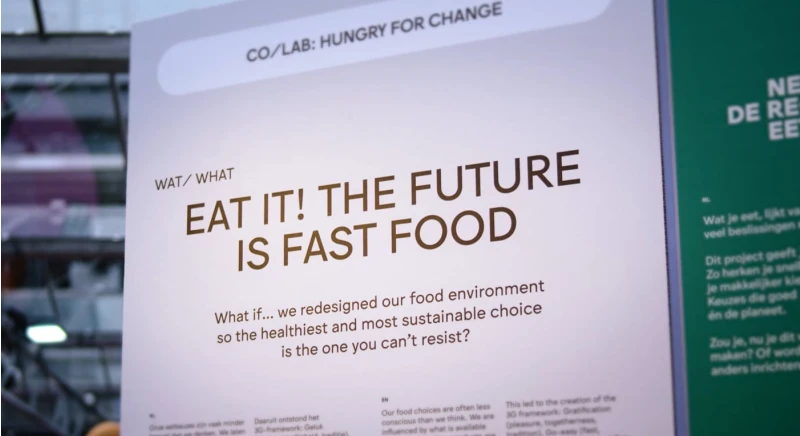
After two years of design research within the Embassy of Food, health, behaviour and the food environment emerged as key themes in the future of our food system. Our eating behaviour also turns out to be less consciously determined than we might think: around 95% of our behaviour happens automatically, while approximately 80% of our food choices are influenced by our surroundings.
Building on these insights, Dutch Design Foundation explored, together with creative lead Barbara Vos and INK Social Design, how design could help transform the food environment so that the better choice also becomes the logical choice.
How can the food environment be designed in a way that makes healthy and sustainable eating feel more natural? Across three collaborative design sessions, the partners explored where there was room for change and developed concrete areas of opportunity.
This resulted in interventions that were publicly tested during Dutch Design Week and gave the partners practical tools to continue addressing the challenge within their own organisations and practices.
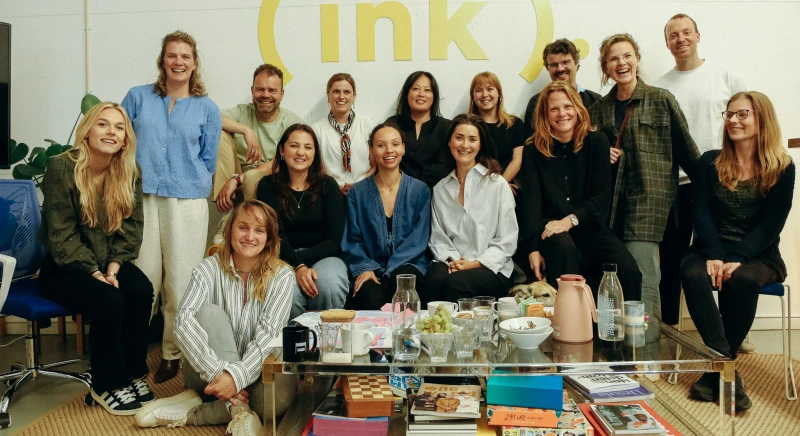
Barbara Vos and INK Social Design were selected to provide the creative leadership for this challenge. Barbara Vos safeguarded the overall narrative and built connections to create broader impact, while INK Social Design guided the creative process. Rabobank, pilot Duurzame CAO Rijk van het Ministerie van BZK, S+T+ARTS Hungry EcoCities and Provincie Noord-Brabant each contributed their own expertise and perspective.
NK Social Design developed a practical framework around three factors that strongly influence food choices: Happiness, Money and Convenience. The framework helps organisations better understand what motivates people in everyday life and how healthy and sustainable behaviour can connect with those motivations.
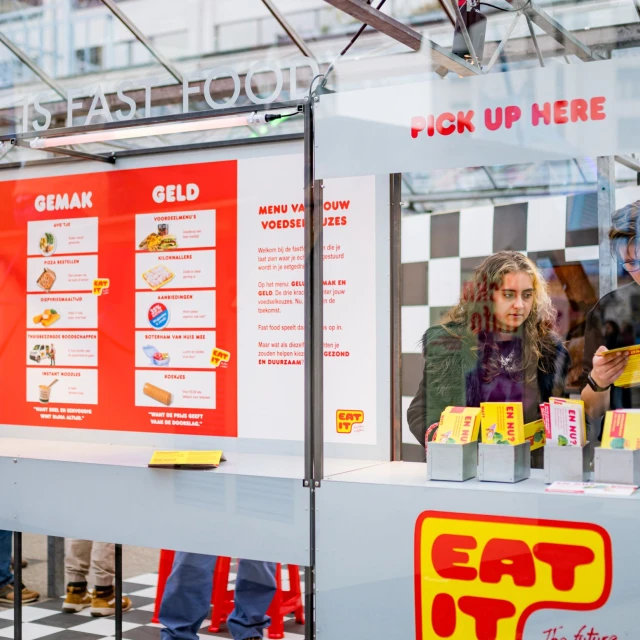
During Dutch Design Week, Eat It! The Future is Fast Food! was developed: a new fast-food brand with its own snack bar, centred not around salt, sugar and fat, but around Happiness, Convenience and Affordability. Visitors could experience how temptation influences their food choices and were challenged to reflect on their own eating behaviour and the ways in which the food environment shapes it.
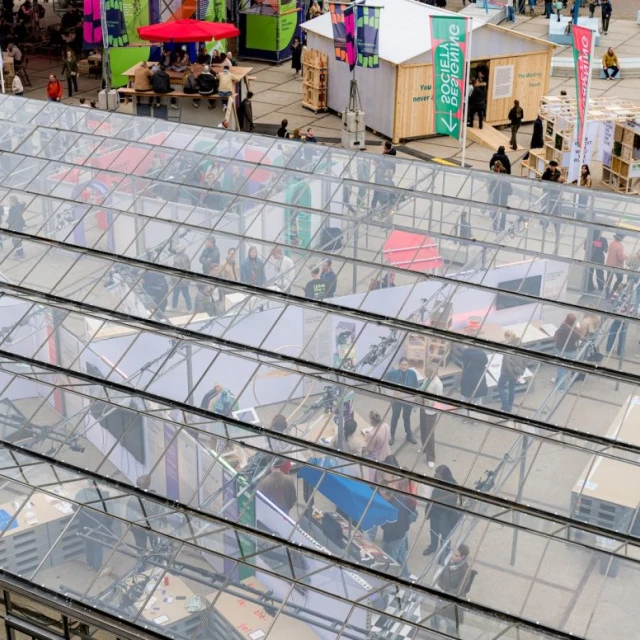
For Provincie Noord-Brabant, the topic remained a broad and complex challenge involving many different stakeholders. Alfred van Mameren reflected positively on the collaboration: “The collaboration with Barbara Vos and Anna Noyons of INK Social Design has been very valuable.”
Through discussion sessions and workshops, the partners were challenged to reflect on their own eating behaviour, unconscious choices and the ways in which visitors at Dutch Design Week could be encouraged to examine their motivations and decisions.
Van Mameren also recognised the value of the province’s role in connecting different parties: “That is exactly where the added value lies; we build bridges between government, businesses and residents, and help get discussions started.”
- Commissioners
- Ministerie van Binnenlandse Zaken en Koninkrijksrelaties, Rabobank, S+T+ARTS Hungry EcoCities, pilot duurzame CAO Rijk, Provincie Noord-Brabant
- Client
- Rabobank, pilot duurzame CAO Rijk (Ministerie van Binnenlandse Zaken en Koninkrijksrelaties), S+T+ARTS Hungry EcoCities, Provincie Noord-Brabant
- Creative leads
- Barbara Vos, INK Social Design
- Lab Manager
- Marleen Remmen
- Domain
- Food
- Interesting for
- Policymakers, Entrepreneurs, Designers
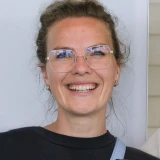
Questions? Get in touch with lab manager Marleen

































































Sign up for the newsletter
Be the first to receive invitations to events and programming, and meet new designers.