Drinkable Nature
What if we all wanted to be able to drink water straight from nature?
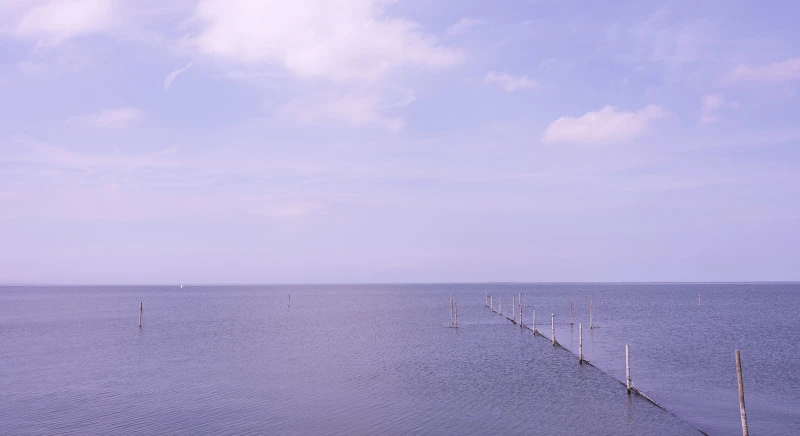
Water is everywhere. We drink it, cook with it, wash with it and trust that clean water will come from the tap every day. At the same time, the availability of clean drinking water and a healthy natural environment is coming under increasing pressure from climate change, pollution and spatial planning decisions. And yet, for many people, this vulnerability remains largely invisible as long as clean water flows effortlessly from the tap. PWN is therefore investigating how the relationship between water, nature and society might change, and how a healthy ecosystem can once again form the basis for a reliable drinking water supply.
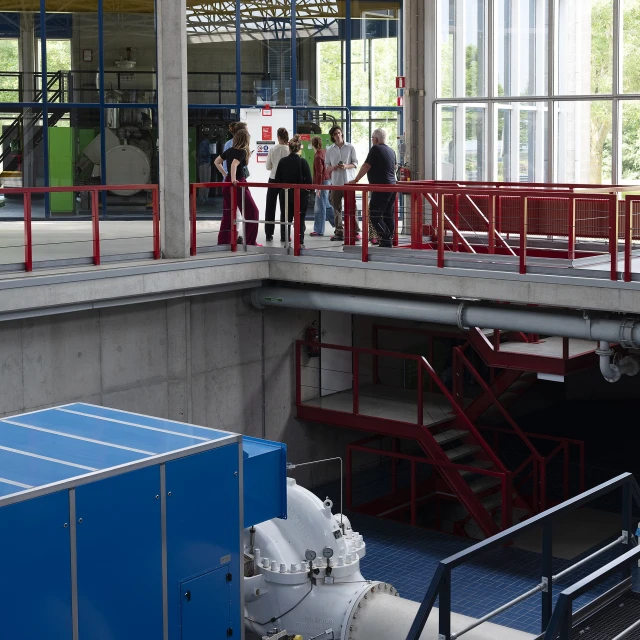
PWN is responsible for both drinking water production and the management of natural areas in North Holland. Healthy nature is therefore not only important for the living environment, but also directly connected to the quality and availability of drinking water.
How can we make visible what is currently invisible, so that people reconnect with water and nature and take shared responsibility for a healthy living environment? The research focuses on the hidden parts of the water system, such as the quality and vulnerability of the water source, the role of nature, the infrastructure required and the effort involved in producing clean drinking water.
Rather than focusing on a single technical solution, the aim is to make the interdependencies between nature, infrastructure, organisations and users visible and open to discussion. The project explores new forms of collaboration, ownership and ways to take action.
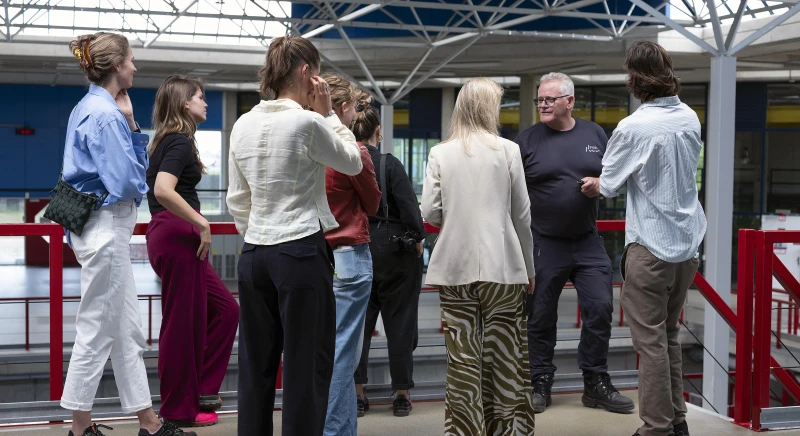
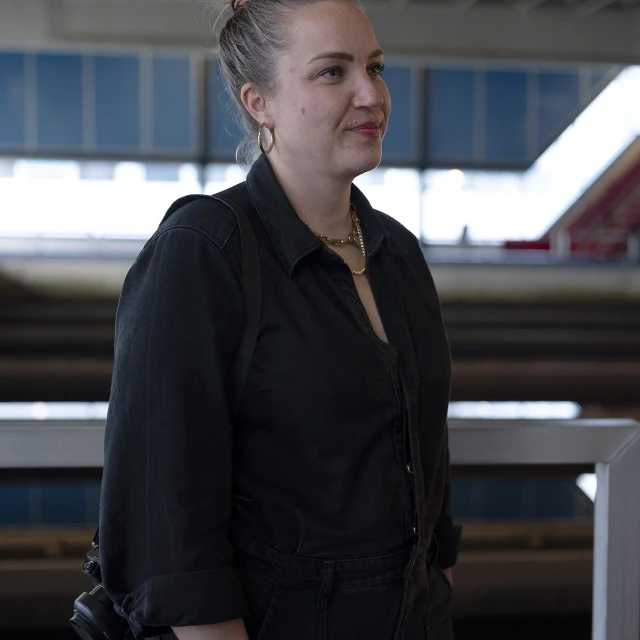
Designer Katinka Versendaal was selected as quartermaster for this Co/Lab. In her work, she explores how complex societal challenges can be brought closer to people by making them tangible and experiential. She sees a particular challenge in a subject such as drinking water: many people experience water as something self-evident, while a complex ecosystem lies behind it.
According to Katinka, there is an opportunity to encourage people to look differently at their relationship with water and the landscape. Not by simply providing information, but by creating experiences that invite a different perspective, self-reflection and open conversation. Which stories currently remain unseen? Which relationships do we fail to notice? And what changes when we look not only from the perspective of human needs, but also from the perspective and needs of water itself and more-than-human water users? These are questions she wants to explore throughout the project.
Exploring a living system
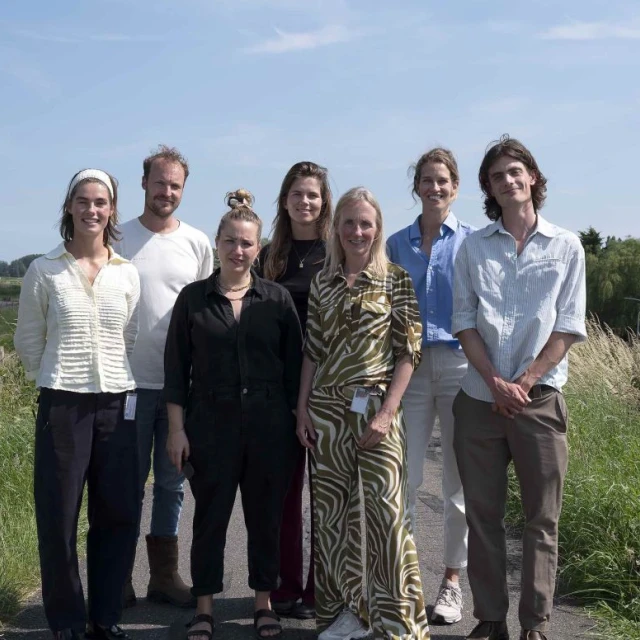
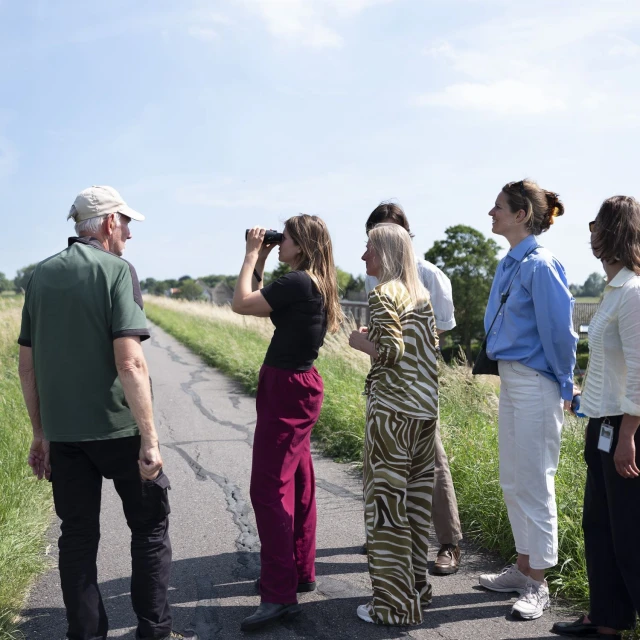
The first year of the Co/Lab will focus on research, defining the challenge and building connections with both human and more-than-human stakeholders. Katinka will explore the area in and around West Friesland, speaking with residents, experts, designers, policymakers and others involved, while mapping existing initiatives and developments. The area is not treated as a defined case study, but as a place where broader questions about water, nature and the living environment become visible. Her research will look beyond the technical aspects of drinking water to explore the ecological, cultural, historical and social dimensions of the water system.
The insights from this exploration will be brought together in a shared narrative and an exhibition that invites stakeholders to engage with the project. This exploration will also provide the basis for several design questions for designers, helping to shape the next phase of the project in 2027.
Impact that reaches further
It is precisely the scale of the challenge that appeals to Katinka. Drinking water, nature, agriculture, spatial development and climate are closely interconnected. Changes in one part of the system have consequences for another. The ambition of Co/Lab Drinkable Nature extends beyond a single area or organisation. Although the research has started in the context of West Friesland, water and nature do not, of course, adhere to geographical boundaries. The challenges that emerge here are therefore connected to other regions and contexts. This is why the project is looking for insights and ways of working that emerge from this specific context, but can also be recognised and applied elsewhere.
- Commissioner
- PWN
- Designer
- Katinka Versendaal (hello@katinkaversendaal.com)
- Contactperson PWN
- Suze van der Meulen (suze.van.der.meulen@pwn.nl)
- Lab manager
- Kathelijn Voets
- Domain
- Environment
- Interesting for
- Designers, Entrepreneurs, Policymakers
Questions? Get in touch with lab manager Kathelijn
Put design to work on solutions
Inspired by this story? See what you can contribute in the open Co/Labs, or get in touch to learn how to become a partner of Dutch Design Foundation.











































Sign up for the newsletter
Be the first to receive invitations to events and programming, and meet new designers.